Source No Punching Waterproof Slipper Rack for Bathroom, Living Room, and Behind Doors
Compare 30 listings for the No Punching Waterproof Slipper Rack suitable for bathrooms, living rooms, and behind doors. Buyers can evaluate specifications like material, dimensions, and installation types from verified suppliers in China.
Key considerations
Products List
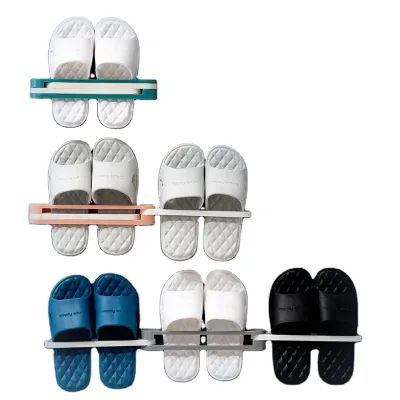


Stainless Steel Multi-Layer Multi-Functional Non-Woven Simple Storage Shoe Rack
$2.05 - $2.12
MOQ: 500 Pieces
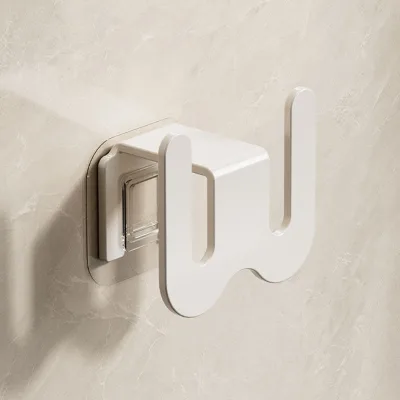


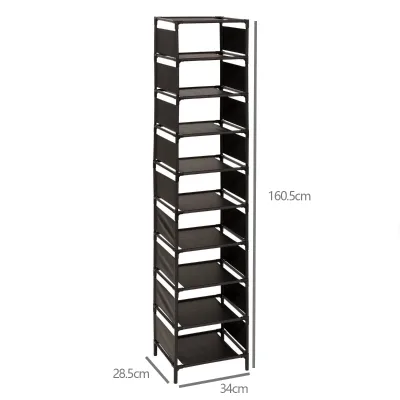
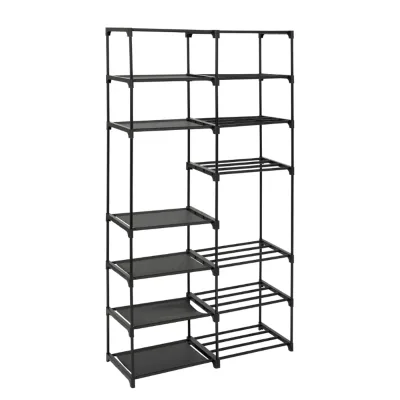

$5.00 - $20.00
MOQ: 50 Pieces
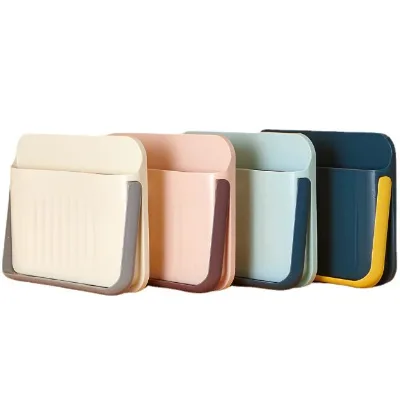

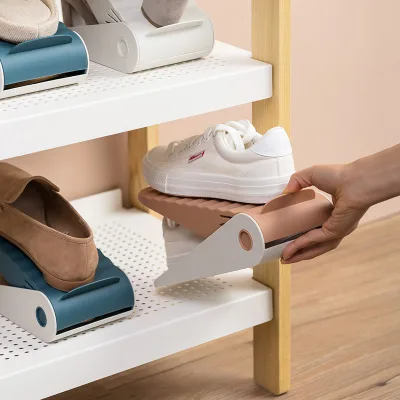


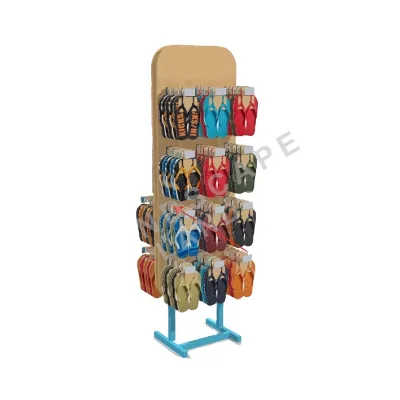
High quality factory customized shoes double side metal stand / display rack for slipper
$28.00 - $32.00
MOQ: 100 Minimum

Comprehensive Sourcing Guide
Strategic Sourcing Guide for No Punching Waterproof Slipper Racks
The global demand for space-saving storage solutions has elevated the profile of no-punching waterproof slipper racks within the B2B procurement landscape. These units are designed to provide immediate utility without the structural damage associated with traditional drilling, making them ideal for rental properties, hospitality venues, and modern residential developments. Buyers entering this market must navigate a complex array of product variations, material specifications, and supplier capabilities. This guide synthesizes observed market data and technical attributes to provide a disciplined framework for sourcing these storage holders effectively. The focus remains on evidence-based evaluation, ensuring that procurement decisions are grounded in verified product characteristics rather than marketing assertions.
Technical Specifications and Material Composition
Understanding the technical backbone of a slipper rack is the first step in defining a successful procurement strategy. The core functionality of a no-punching unit relies heavily on the adhesion mechanism and the structural integrity of the frame. Based on observed product data, the primary material utilized for these units is plastic, specifically Polypropylene (PP). This material choice is significant because PP offers a balance of rigidity and flexibility, essential for maintaining shape under load while resisting water damage in humid environments like bathrooms.
The dimensional specifications vary widely across the market, but specific observations indicate a standard size of 73cm for certain models, with a square shape being a common design choice. However, buyers must be aware that other configurations exist, such as those with a standard dimension of 5527.563cm or a compact 25*9cm footprint. The weight of the product is another critical technical parameter; observed data lists weights ranging from 0.3kg to 0.8kg depending on the model and layer configuration. A discrepancy in the data regarding "Single gross weight" of 0.0kg suggests that buyers should verify the actual shipped weight, as this impacts logistics costs and shipping classification.
Installation methods are a defining feature of this category. While the core keyword specifies "no punching," the market presents two distinct installation types: wall-mounted and floor-mounted. Wall-mounted variants often utilize suction or adhesive technology, whereas floor-mounted units rely on base stability. The data indicates a "Three in one" functional design in some models, suggesting versatility in how the rack can be deployed. Furthermore, the specification of "Single volume" as 0 cm³ in some listings is likely an error or a placeholder, necessitating a request for the actual cubic volume to calculate shipping efficiency accurately.
Compliance, Certification, and Safety Verification
In the B2B sector, compliance is not merely a formality but a risk mitigation strategy. While the provided product data does not explicitly list specific international certifications (such as ISO or CE), buyers must treat the absence of listed certifications as a gap to be filled during the supplier evaluation phase. The "Product Standard" is noted as "25*9cm" in some contexts, which appears to be a dimensional standard rather than a safety certification. Buyers should explicitly request documentation regarding the adhesion strength of the no-punching mechanism to ensure it meets local building safety codes, particularly for wall-mounted units in commercial settings.
Waterproofing is a critical compliance attribute for bathroom and utility room applications. The material, PP, is inherently water-resistant, but the integrity of the adhesive or suction cup must be verified. Buyers should inquire about the specific testing protocols used to validate the "waterproof" claim, ensuring the unit can withstand high humidity without delamination or mold growth. Additionally, the "Weight tolerance" is observed to be less than ±10%, which serves as a quality benchmark. Procurement teams should verify that the supplier maintains this tolerance consistently across batches to prevent structural failures due to weight discrepancies.
Cost Drivers and Pricing Dynamics
The pricing structure for slipper racks is influenced by several variable factors, including material costs, manufacturing complexity, and order volume. The observed price range in the market spans from $0.20 to $500.00 USD. This vast disparity indicates that the market includes both low-cost, single-item units and high-end, multi-tiered systems. The Minimum Order Quantity (MOQ) is another significant cost driver, with observed ranges from 1 to 5,000 pieces. A specific observation notes an MOQ of 50 pieces for certain models, while others require 100.
Buyers must analyze the relationship between unit price and MOQ. Lower unit prices are typically associated with higher volume commitments, but the supply ability of the manufacturer must support these volumes. The data indicates a supply ability of 10,000 pieces per week, which suggests that suppliers with this capacity can handle large orders without significant lead time delays. However, buyers should verify if this supply rate is consistent or if it fluctuates based on raw material availability. The "Selling Units" being listed as "Single item" for some products implies that retail-ready packaging is available, which may carry a premium compared to bulk packaging.
Typical Applications and Functional Design
The versatility of no-punching slipper racks makes them suitable for a diverse range of applications. The "Applicable Space" data highlights usage behind doors, on walls, in bathrooms, and in living rooms. This flexibility is driven by the "Multifunction" and "Foldable" design attributes observed in the product specifications. Some models are designed specifically for slippers, while others, labeled as "Type: Storage Holders & Racks," can accommodate towels and other household items. The "Layer" count varies, with observations of both single-tier and four-tier configurations, allowing buyers to select units based on the available vertical space in their target market.
The "Style" is consistently described as "Simple," aligning with modern interior design trends that favor minimalism. The "Technics" are noted as "Glossy," which not only enhances aesthetics but also facilitates cleaning, a crucial factor for bathroom accessories. The "Color" options, including Green, Pink, and Gray, allow for customization to match specific interior themes. For commercial buyers, such as hotel chains or property management firms, the ability to customize colors and the "Folded" state (Unfolded) are key selling points that can differentiate their inventory from competitors.
Supplier Evaluation and Origin Analysis
Evaluating suppliers requires a careful examination of their geographic location and production capabilities. The data points to two primary origins: Guangdong, China, and Zhejiang, China. Both regions are established manufacturing hubs with robust supply chains for plastic products. The "Port of dispatch" includes Shenzhen, Guangzhou, and Ningbo, offering buyers multiple logistical options for international shipping. When selecting a supplier, buyers should verify the specific factory location to ensure it aligns with their logistical preferences and to assess the local regulatory environment.
The "Brand name" observed is "YN," but buyers should be cautious as this may represent a specific listing rather than a universal brand. Many suppliers in this sector operate as OEM manufacturers, meaning the "Brand name" on the final product may be customized. The "Customization" attribute is marked as "Available," indicating that suppliers are open to modifying product specifications, packaging, or branding. Buyers should leverage this flexibility to tailor products to their specific market needs. However, the "Model number" varies significantly, with codes like "R027" and "MU-111" appearing in the data. Standardizing these model numbers across a supply chain can be challenging, so buyers should insist on a clear product specification sheet that links model numbers to exact dimensions and features.
Quality Control and Long-Term Procurement Considerations
Quality control (QC) is paramount when sourcing plastic storage solutions, particularly those relying on adhesion for installation. The "Condition" is listed as "New," but buyers must define what constitutes "New" in the context of their contract. This includes ensuring that products are free from manufacturing defects such as warping, uneven surfaces, or weak adhesion points. The "Packaging Details" mention "opp bag/box bag" and "Color Box," which suggests that packaging can vary from simple protective wrapping to retail-ready boxes. Buyers should specify the packaging requirements in their purchase orders to ensure the product arrives in a condition that meets their distribution standards.
Long-term procurement considerations involve the stability of the supply chain and the reliability of the product. The "Functional design" includes "Simple and easy" usage, which reduces the likelihood of customer complaints and returns. However, the "Single volume" discrepancy in the data serves as a reminder that buyers must conduct rigorous due diligence on all specifications before finalizing an order. Establishing a relationship with a supplier who can consistently meet the "Weight tolerance" of <±10% and maintain the "Supply Ability" of 10,000 pieces per week is essential for scaling operations.
Comparative Analysis of Product Attributes
To facilitate decision-making, the following table summarizes the key observed attributes of the slipper racks in the market, highlighting the variations buyers must navigate.
| Attribute | Observed Value A | Observed Value B | Procurement Note |
|---|---|---|---|
| Material | Plastic (PP) | Plastic | Verify PP grade for water resistance. |
| Installation | Wall Mounted | Floor Mounted | Confirm mechanism (suction vs. base). |
| Size | 73cm | 5527.563cm | Request exact dimensions for shipping. |
| Weight | 0.3kg | 0.8kg | Verify gross weight for logistics. |
| Layers | Single | 4 Layers | Select based on space constraints. |
| MOQ | 50 pcs | 100 pcs | Negotiate based on volume commitment. |
| Origin | Guangdong, China | Zhejiang, China | Assess port proximity for shipping. |
| Packaging | OPP Bag | Color Box | Specify packaging for retail readiness. |
| Feature | Foldable | Multifunction | Highlight versatility in marketing. |
| Tolerance | <±10% (Weight) | >=±2cm (Dimension) | Set strict QC limits in contracts. |
Final Procurement Recommendations
Sourcing no-punching waterproof slipper racks requires a methodical approach that balances technical specifications with commercial realities. Buyers must prioritize the verification of material quality, specifically the PP plastic grade, and the integrity of the no-punching installation mechanism. The wide range of observed prices and MOQs necessitates a clear definition of the target market segment before engaging with suppliers. By focusing on the verified attributes such as the "Simple and easy" functional design and the "Multifunction" capabilities, buyers can identify products that offer genuine value.
Ultimately, the success of a procurement campaign in this category depends on the ability to navigate the inconsistencies in product data. Buyers should treat all listed specifications as observations to be validated rather than absolute guarantees. Establishing clear communication channels with suppliers to confirm dimensions, weights, and packaging details will mitigate risks associated with the observed data discrepancies. By adhering to these evidence-based guidelines, procurement teams can secure high-quality slipper racks that meet the demands of modern storage needs while maintaining cost efficiency and supply chain reliability.
FAQs
What material is used for no punching waterproof slipper racks?
The primary material used is plastic, specifically Polypropylene (PP). This material offers rigidity and flexibility while resisting water damage in humid environments like bathrooms.
How are these racks installed on walls without drilling?
Installation methods include wall-mounted types that utilize suction or adhesive technology. Some models are floor-mounted relying on base stability for support without structural damage.
Which specifications define the size of these storage holders?
Observed specifications include a standard size of 73cm and a square shape. Other configurations may have dimensions like 55*27.5*63cm or a compact 25*9cm footprint depending on the model.
Can buyers customize the color and packaging of the racks?
Yes, customization is available for colors such as Green, Pink, and Gray. Packaging options range from simple OPP bags to retail-ready color boxes based on buyer requirements.
What is the typical minimum order quantity for these products?
The minimum order quantity varies, with observed values of 50 pieces for some models and 100 for others. Buyers should verify specific MOQs as they depend on the supplier and product type.
How much weight can these racks support safely?
Product weights range from 0.3kg to 0.8kg depending on the layer configuration. The weight tolerance is observed to be less than ±10%, ensuring structural consistency across batches.